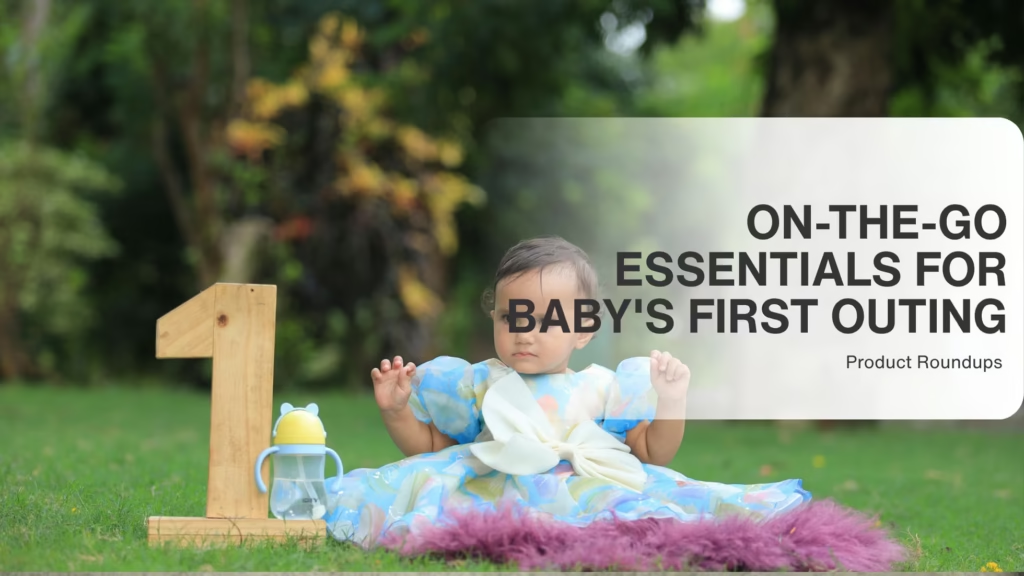
Taking a newborn out into the world for the first time involves more logistical planning than most other early parenting milestones, largely because you’re managing feeding, diapering, temperature regulation, and safety equipment simultaneously, often without the predictable environment of home. This guide covers what genuinely matters for early outings, how to build a portable setup that scales with your baby’s age, and what pediatric guidance says about timing that first trip out.
When Is It Actually Safe to Take a Newborn Out?
There’s less official medical restriction here than popular belief suggests. Most pediatricians don’t prohibit outdoor outings in the first weeks, fresh air and a walk around the block are generally fine within days of coming home. The more relevant guidance concerns avoiding crowded indoor spaces and close contact with visibly sick people during the first two to three months, since a newborn’s immune system hasn’t yet built up defenses, and a fever in a baby under three months warrants an immediate medical evaluation regardless of how minor the underlying illness turns out to be.
This distinction matters for planning outings. A walk in the stroller, a quick errand, or time outdoors generally poses little concern, while extended time in crowded indoor venues, particularly during cold and flu season, is where many pediatricians suggest more caution in the earliest weeks.
The Diaper Bag: Your Central Hub
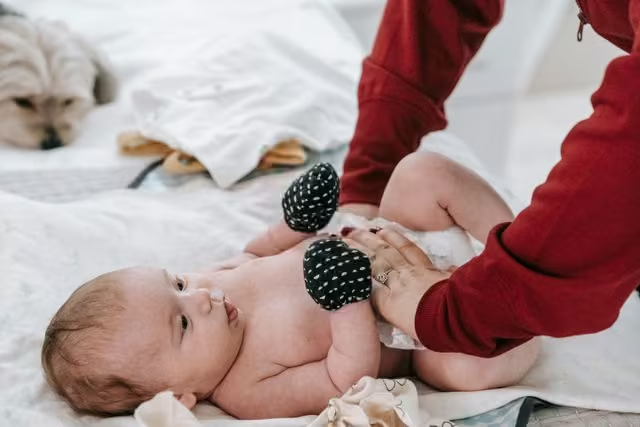
A well-organized diaper bag, covered in more depth in a dedicated guide, becomes the anchor for any outing. For a first outing specifically, focus on having it fully stocked before you need it rather than assembling it last minute, since a forgotten item becomes considerably harder to solve away from home.
I’m obsessed with this diaper bag! The perfect blend of style and practicality. Perfect for all your parenting needs!
A reasonable first-outing stock includes several diapers (more than you think you’ll need), a full pack of wipes, a change of clothes for baby, a couple of burp cloths, and a small blanket, along with any feeding supplies specific to your method.
Car Seat: The Non-Negotiable
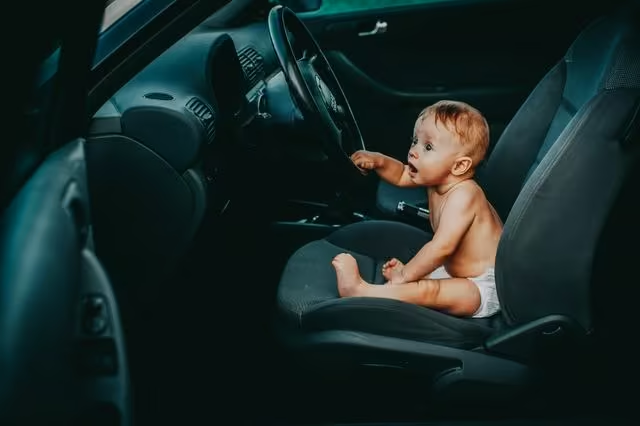
No outing involving a vehicle happens without a properly installed, correctly used car seat, covered in extensive depth in a dedicated guide. For a first outing specifically, double-checking the recline angle and harness fit before leaving, rather than assuming the installation from the hospital discharge trip remains perfectly set, is a reasonable habit to build early, since seats can shift slightly over time or after being unclipped and reclipped repeatedly.
A comfortable car seat for all stages of growing!
Stroller Considerations for Early Outings
Travel System Strollers
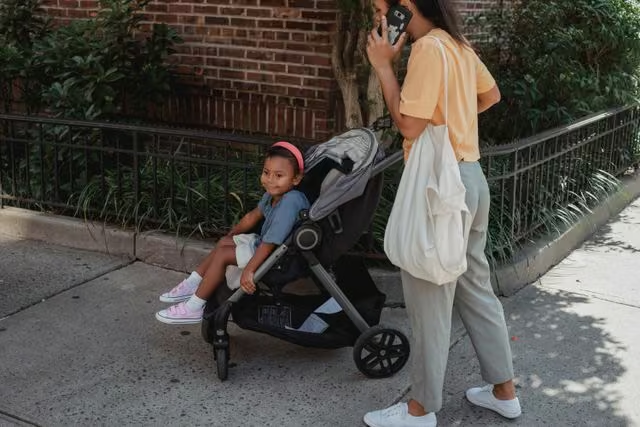
A travel system, meaning a stroller frame designed to accept your specific infant car seat directly, offers real convenience for early outings, since it allows a sleeping baby to transfer from car to stroller without removal from the car seat itself. Confirming compatibility between your specific stroller and car seat brand, since not all combinations click together universally, matters before your first outing rather than discovering a mismatch at the moment you need it to work.
Full-Size vs. Lightweight Strollers
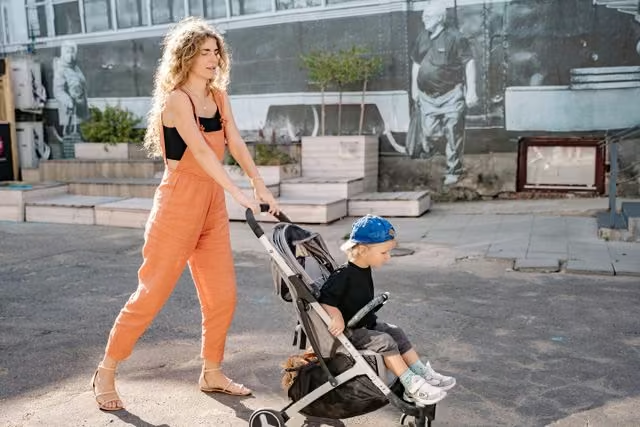
A full-size stroller generally offers a smoother ride and more storage, useful for longer outings or uneven terrain, while a lightweight or umbrella stroller offers easier transport and storage, better suited to quick errands or situations involving significant folding and unfolding, like getting in and out of a car trunk repeatedly.
For very young newborns, checking that a specific stroller seat reclines fully flat or accepts an infant car seat is important, since a newborn generally can’t yet sit in a stroller seat not designed to support their lack of head and neck control.
Weather and Temperature Considerations
Sun Protection
The AAP recommends keeping babies under six months out of direct sun as the primary sun protection method, since infant skin offers less natural protection and sunscreen use in this age group is generally reserved for situations where shade and clothing coverage aren’t sufficient. A stroller with a substantial, adjustable canopy, along with lightweight, breathable clothing covering exposed skin, handles most sun protection needs for early outings without relying primarily on sunscreen.
A small, breathable hat protects the scalp and face specifically, an area often left exposed even when a stroller canopy covers the body.
Cold Weather Outings
For colder months, dressing baby in layers that can be added or removed easily, along with a stroller-specific footmuff or weather shield, keeps baby warm without needing bulky clothing that could interfere with a car seat harness during the drive portion of the outing. As covered in car seat guidance, bulky snowsuits should go on after buckling into the car seat, not underneath the harness itself, meaning a stroller-compatible cover added after transferring from car seat to stroller often works better than dressing baby in outdoor gear before the car ride begins.
Rain Considerations
A clear plastic stroller rain cover, specifically designed for your stroller model to ensure proper fit and ventilation, allows outings to continue during unexpected weather without directly exposing baby to rain, though checking that the specific cover allows adequate airflow, rather than creating a fully sealed, poorly ventilated enclosure, matters for both comfort and safety.
Feeding on the Go
Breastfeeding Away From Home
A lightweight nursing cover, if privacy is a personal preference, along with comfortable, easy-access clothing, supports breastfeeding during outings without much additional gear required. Some parents prefer no cover at all, which is a matter of personal comfort rather than any specific “essential” product requirement.
Bottle Feeding Away From Home
An insulated bottle bag or cooler section within the diaper bag keeps prepared bottles or pumped milk at safe temperature during transport. For formula specifically, pre-measuring powder into a separate dispenser or travel container, then adding water fresh at the time of feeding, avoids needing to keep a fully mixed bottle at safe temperature for an extended outing.
Health and Comfort Items Worth Packing
A digital thermometer isn’t typically needed for a short outing, but for longer trips or travel further from home, having one available provides peace of mind if baby seems unusually fussy or warm. A small first aid kit with baby-safe basics, and any regularly used items like gas drops or saline drops if your baby has an established need for them, rounds out a reasonably complete on-the-go health kit.
What Actually Matters for a First Outing (And What Doesn’t)
The genuinely essential items for a first outing are limited: a properly installed car seat, a stocked diaper bag covering feeding and diapering needs, appropriate weather protection, and a stroller suited to a newborn’s lack of independent sitting ability. Elaborate baby travel gadgets, specialized outing-specific toys, or an extensive wardrobe of “outfit changes” for a single short trip generally aren’t necessary and can turn manageable preparation into overwhelming overpacking.
Common Mistakes to Avoid
Overpacking for a short errand, bringing supplies more appropriate for a full-day outing, can make a quick trip feel more burdensome than necessary, while underpacking for what turns out to be a longer outing than planned, running out of diapers or wipes, is the more common and genuinely frustrating mistake, so erring slightly toward overpacking for diapers and wipes specifically, while keeping other categories reasonably minimal, tends to balance practicality well.
Forgetting to check car seat installation and harness fit before a first outing, assuming everything remains exactly as it was during the hospital discharge trip, overlooks how seats can shift or loosen slightly with repeated use.
Avoiding all outings entirely out of new-parent anxiety, beyond what pediatric guidance actually supports, can contribute to unnecessary isolation during a period when some fresh air and a change of scenery often benefits parental mental health meaningfully, alongside baby’s own adjustment to the world beyond the home.
Underestimating temperature regulation needs, either overdressing in an overheated stroller enclosure or underdressing without adequate sun or cold protection, matters more for a newborn than an older baby, given their still-developing ability to regulate body temperature independently.
Final Considerations
A newborn’s first outing doesn’t require an elaborate gear list, a properly installed car seat, a reasonably stocked diaper bag, appropriate weather protection, and a stroller suited to a very young baby’s needs cover the genuine essentials. Beyond this foundation, most additional products offer convenience rather than necessity, and it’s entirely reasonable to start simple and add specific items later based on what your actual outings reveal you need.
Prioritizing car seat safety, adequate diaper and wipe supply, and weather-appropriate dressing over elaborate gear accumulation will serve that first outing, and the many that follow, better than an overprepared bag full of items that sound useful but rarely get used. Getting out of the house with a newborn feels daunting the first few times, but the actual logistics, once broken down this way, are more manageable than the anticipation often suggests.