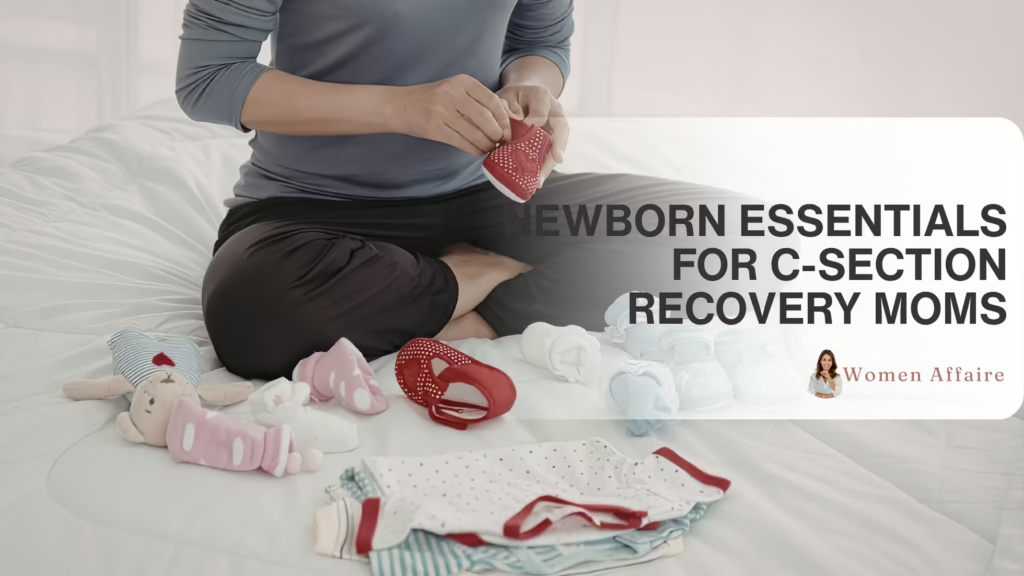
Nobody really prepares you for C-section recovery, do they? You spend nine months reading about labor, breathing techniques, maybe even hypnobirthing. Then you end up in an operating room instead, and suddenly you’re recovering from major surgery while also caring for a brand new human.
I had an emergency C-section with my first, and I remember feeling completely blindsided by how hard the recovery actually was. Nobody handed me a list of what I’d need. I figured it out the hard way, wincing every time I tried to reach for my crying baby.
So if you’re planning a C-section, recovering from an unexpected one, or just want to be prepared either way, let’s go through what actually helps. This isn’t about baby gear as much as it’s about surviving those first few weeks with your body and your sanity intact.
Why C-Section Recovery Is Its Own Beast
A C-section is major abdominal surgery. Let that sink in for a second. You’re not just recovering from birth, you’re recovering from an incision through multiple layers of muscle and tissue.
And yet, you’re expected to bend, lift, feed, and care for a newborn almost immediately. It’s a lot. Preparing ahead of time with the right items can make a huge difference in how those first weeks feel.
Let’s start with the essentials, and I promise, this list goes beyond the basic stuff most articles mention.
High Waisted, Soft Underwear
Regular underwear that sits right at your incision line is miserable. Trust me on this one. You want something that sits either well above your incision or well below it, nothing that rubs against that healing area all day.
Look for soft, stretchy, high waisted options. Some moms love the mesh disposable postpartum underwear hospitals give you. Others prefer buying a few sizes up in soft cotton underwear from home. Either way, comfort matters way more than style here.
A Proper Incision Care Kit
Ask your hospital or doctor what they recommend, but generally you’ll want gentle, fragrance free wipes or cleanser for the area, plus some gauze or dressing if your doctor suggests it.
Keeping the incision clean and dry helps prevent infection and speeds up healing. Don’t skip this step even when you’re exhausted and just want to collapse into bed. It only takes a minute, and it matters.
A Belly Band or Support Wrap
This one surprised me with how much it helped. A belly band gently supports your midsection, which can ease the pressure when you stand, walk, or even just laugh (and trust me, you’ll want to laugh at some point, even through the pain).
It’s not about “snapping back” or anything like that. It’s purely about support and comfort while your muscles heal. Ask your doctor before using one, just to make sure it’s right for your specific recovery.
A Pillow, or Honestly Several Pillows
You will use pillows in ways you never imagined. One to hug against your stomach when you cough or sneeze (which hurts more than you’d think). One to place between you and your baby while nursing so you’re not putting direct pressure on your incision.
Keep a few extra pillows nearby wherever you’re spending most of your time, whether that’s your bed or a couch. Your body will thank you every single time you need to shift position.
Stool Softeners
Nobody wants to talk about this, but I’m going to anyway because it matters so much. After a C-section, your first bowel movement can feel terrifying, and straining is the last thing your healing incision needs.
Ask your doctor about stool softeners before you even leave the hospital. Most will recommend starting these right away. It sounds small, but it can save you a genuinely awful experience.
A Reacher or Grabber Tool
This sounds silly until you’re lying in bed unable to reach the water bottle that rolled just out of arm’s length. A simple grabber tool, the kind older folks sometimes use, can be a lifesaver for picking things up off the floor or grabbing something from a low shelf without bending or twisting.
Bending and twisting motions put strain right on your incision, so anything that limits those movements in the first couple weeks genuinely helps.
Loose, Comfortable Clothing
Skip anything with a tight waistband. Skip jeans entirely for the first few weeks. You want soft, loose clothing that doesn’t sit right at your incision line.
Think stretchy leggings worn low, oversized soft shirts, and maybe a robe or button up top for easy nursing access without needing to pull anything over your head. Comfort over style, at least for now.
A Rolling Cart or Caddy
If you have stairs or a big house, a small rolling cart can help you move things from room to room without carrying anything heavy. Load it up with diapers, wipes, snacks, your phone charger, whatever you need close by.
It sounds like a small thing, but not having to carry items while you’re healing really does make daily life easier.
Help. Actual, Real Help.
This isn’t something you buy, but it’s essential all the same. Line up help before your baby arrives if you can. A partner, a family member, a friend, even a postpartum doula if that’s within your budget.
You should not be lifting, cleaning, or doing much of anything beyond caring for yourself and your baby in those first couple weeks. Someone needs to be there to help with meals, other kids if you have them, and just generally keeping the household running.
Do you have someone lined up to help you during those first weeks? If not, now is the time to start asking.
A Baby Carrier That Doesn’t Press on Your Incision
Some baby carriers sit right at your waist, which can be uncomfortable or even painful post C-section. Look for a carrier that can be adjusted to sit higher, away from your incision area, or wait until you’re a bit further along in your recovery before wearing baby regularly.
Ask your doctor when it’s safe to start carrying your baby in a wrap or carrier, since everyone heals at a different pace.
A Bassinet or Sleep Setup Near Your Bed
Bending down into a crib repeatedly in those first weeks isn’t ideal when you’re recovering from surgery. A bassinet that sits at bed height, or even a co-sleeper attachment, means you can reach your baby without straining your body.
This small setup choice can genuinely reduce a lot of unnecessary movement during a time when your body needs to rest as much as possible.
A Little Personal Story
After my C-section, I remember trying to get up from the couch on my own about four days in. I hadn’t asked for help because I felt silly needing it for something so simple. Big mistake.
The pain that shot through my abdomen made me realize real quick that pride has no place in recovery. From then on, I asked for help getting up, sitting down, basically everything, and it made such a difference in how quickly I actually started feeling human again.
Wrapping This Up
C-section recovery is not something to rush or push through on willpower alone. Your body went through something significant, and giving it what it needs to heal properly matters just as much as anything you’re doing for your new baby.
Focus on comfort, support, and asking for help without guilt. The items on this list aren’t glamorous, and most of them aren’t things you’ll see on a typical baby registry. But they’re the things that actually make those first weeks feel manageable instead of unbearable.
If you’ve had a C-section before, what’s the one thing you wish someone had told you to buy or prepare beforehand? I’d love to hear it, because chances are, it’ll help another mom reading this too.