
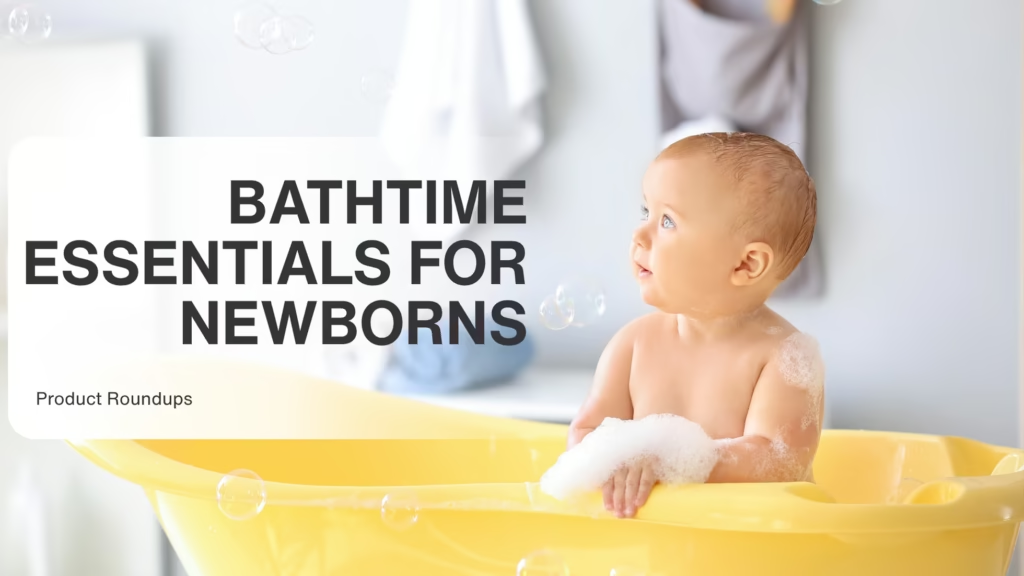
Bathing a newborn involves a shorter list of genuine essentials than the baby aisle might suggest, but the items that do matter, temperature safety, proper support, and gentle products, carry more weight than most parents initially expect. This guide covers what bath time actually requires in the first few months, what pediatric guidance says about frequency and technique, and how to build a simple, safe routine without overbuying.
How Often Newborns Actually Need Bathing
Before getting into product choices, it’s worth addressing frequency directly, since this affects which products actually get used regularly. The American Academy of Pediatrics recommends bathing newborns just two to three times a week, not daily, since frequent bathing can strip natural oils and contribute to dry skin, particularly relevant for a newborn’s still-developing skin barrier. Between full baths, spot cleaning the face, neck folds, and diaper area keeps baby clean without the drying effects of repeated full immersion.
Until the umbilical cord stump falls off, generally within one to three weeks after birth, the AAP specifically recommends sponge baths rather than full immersion, to keep the healing stump dry and reduce infection risk.
Sponge Bath Essentials (Before the Umbilical Cord Falls Off)
A Soft Sponge or Washcloth
A basic baby sponge or soft washcloth, used with warm water and minimal or no soap initially, handles this early stage well. Look for a sponge specifically designed for infants, often slightly contoured to support a newborn’s small body if used on a flat surface, though a simple washcloth works just as effectively for the sponge bath stage.
A Safe, Flat Surface
Sponge baths typically happen on a changing table, flat surface, or even a parent’s lap, using a towel underneath for warmth and to catch drips. A dedicated infant bathtub isn’t necessary yet at this stage, since baby isn’t being placed in water directly.
A Basin or Bowl for Warm Water
A simple basin or bowl of warm water, tested against the inside of your wrist before use, is all that’s needed to dampen the washcloth or sponge repeatedly throughout a sponge bath session.
Full Bath Essentials (Once the Umbilical Cord Falls Off)
A Baby Bathtub
Once ready for full immersion baths, a baby-specific tub, sized appropriately to support a newborn’s lack of head and neck control, becomes the central piece of bath time equipment. This is covered in more depth in a dedicated bathtub guide, but the essential requirement here is a tub with an appropriate incline or sling support that keeps baby’s head and face clearly above water without requiring you to support their full weight manually the entire time.
A simple, contoured or sling-style tub is genuinely sufficient. Built-in thermometers, scales, or drainage systems add cost without adding meaningful safety or function.
Baby Wash
A fragrance-free, tear-free baby wash formulated for sensitive newborn skin covers both hair and body in most cases, meaning a separate shampoo usually isn’t necessary in these early months. Look specifically for “fragrance-free” rather than “unscented,” since unscented products can still contain masking fragrance that fragrance-free formulations avoid entirely.
Using minimal soap, sometimes just a small amount at the end of a bath rather than throughout, aligns with pediatric guidance to avoid over-cleansing newborn skin, which is more prone to dryness than older children’s skin.
Soft Washcloths
A few soft washcloths, separate from general household ones, work for both washing during the bath and general wipe-down use afterward. Cotton, gently textured washcloths tend to clean effectively without feeling harsh against sensitive skin.
A Hooded Towel
A hooded baby towel keeps a wet newborn’s head warm immediately after a bath, when heat loss happens quickly given how little insulating body fat newborns typically have. This isn’t strictly essential, a regular towel with a separate cap works too, but the built-in hood offers convenience during a moment when you’re often managing a slippery, unhappy baby with limited free hands.
Temperature Safety: The Most Important Consideration
Water temperature matters more than any specific product choice in this entire category. Water that’s too hot can cause burns, while checking temperature only by feel introduces room for error, particularly for a tired or distracted caregiver.
Bath Thermometers
A simple floating bath thermometer, or a thermometer built into a bath toy or duck-shaped device, provides an objective check alongside the standard wrist test. The AAP recommends water temperature around 100°F (37.8°C), notably cooler than what many adults find comfortable for their own baths, which is part of why a numerical check adds real value beyond a subjective feel test alone.
Setting Your Water Heater
Beyond bath-specific products, checking your home water heater’s maximum temperature setting, generally recommended at or below 120°F (48.9°C), reduces scald risk broadly throughout the home, not just during intentional baths, relevant as baby grows and begins exploring faucets independently.
Products That Sound Useful But Generally Aren’t Necessary
Bath thermometers with elaborate app connectivity add cost without meaningfully improving on a simple floating thermometer’s core function of providing a numerical temperature check.
Bathtub inserts with built-in toys, music, and lights appeal more to marketing than to actual newborn need, since babies this young aren’t yet engaging with interactive features the way an older infant or toddler might.
Specialized baby bath oils or elaborate multi-step product lines generally aren’t necessary for a newborn without diagnosed skin sensitivity, since pediatric guidance favors a simplified routine, one gentle wash, minimal soap, over multiple specialized products layered together.
Building a Simple, Safe Bath Routine
A reasonable routine for the sponge bath stage involves gathering a washcloth, warm basin of water, and a towel, working section by section, face first, then body, keeping baby covered with a dry towel between sections to maintain warmth throughout.
Once transitioning to full baths, filling the tub with just a few inches of water, checking temperature with both a thermometer and wrist test, and keeping one hand on baby at all times throughout the bath covers the core safety requirements. Washing from cleanest to dirtiest areas, generally face and head first, diaper area last, reduces the chance of transferring bacteria to more sensitive areas like the eyes.
Common Mistakes to Avoid
Bathing too frequently, driven by a well-intentioned instinct to keep baby clean, can dry out skin more than it helps, and sticking to the AAP’s two-to-three-times-weekly guidance for full baths tends to serve most newborns better than daily bathing.
Leaving baby unattended in a bathtub for even a few seconds, to grab a towel or answer the door, remains one of the most consistently cited risk factors in infant bathing injuries, and no product on this list substitutes for constant, direct supervision.
Attempting full immersion baths before the umbilical cord stump has fallen off can increase infection risk at the healing site, and sticking with sponge baths during this window, even if it feels like a minor inconvenience, aligns with current pediatric guidance.
Relying solely on the wrist test without an actual thermometer reading introduces avoidable room for error, particularly relevant for a sleep-deprived caregiver whose sense of temperature may be less reliable than usual in the early postpartum weeks.
Final Considerations
Bath time for a newborn requires genuinely few products: a gentle wash, a few soft washcloths, an appropriately supportive tub once full baths begin, and a reliable way to check water temperature. Elaborate multi-product routines or heavily featured tubs add cost without adding meaningful safety or function for a baby this young.
Prioritizing correct water temperature, appropriate bath frequency per AAP guidance, and constant supervision throughout every bath will matter more for genuine safety than any specific product brand or added feature. A simple, consistent routine built around these fundamentals serves most newborns well, and there’s little need to complicate what is, at its core, a fairly straightforward care task.