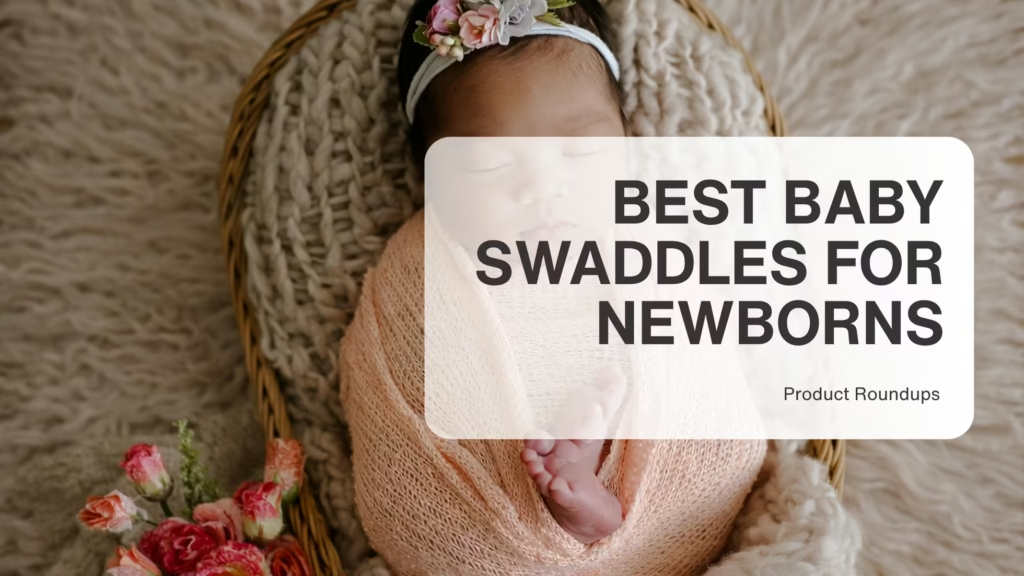
Swaddling is one of the oldest infant care practices in the world, and for good reason. When done correctly, it can calm a newborn’s startle reflex, extend sleep stretches, and help babies transition more smoothly from the womb to the outside world. But not all swaddles are created equal, and choosing the right type involves understanding fabric, fit, safety guidelines, and your baby’s individual temperament.
This guide breaks down the main types of swaddles available, what to look for in terms of safety and quality, and how to match a swaddle to your baby’s specific needs.
Why Swaddling Works
Newborns are born with a startle reflex, also known as the Moro reflex, which causes them to jerk their arms and legs suddenly, often waking themselves up in the process. Swaddling mimics the snug environment of the womb, which helps suppress this reflex and allows babies to settle into deeper, more consistent sleep.
Research published through the American Academy of Pediatrics has shown that properly swaddled infants often experience improved sleep consolidation in the early months, though the AAP is also clear that swaddling must be done with specific safety guidelines in mind, which we’ll cover further down.
Types of Swaddles on the Market
Traditional Muslin Blankets
Muslin swaddle blankets are large, square pieces of breathable cotton fabric that require manual folding and wrapping. These have been used across cultures for generations and remain popular because of their versatility.
Beyond swaddling, muslin blankets double as burp cloths, nursing covers, stroller shades, and lightweight blankets for tummy time. The tradeoff is a learning curve. Getting a snug, secure wrap with a flat blanket takes practice, and a loose wrap can come undone, which poses a suffocation risk.
Look for a high thread count, often in the range of 200 or higher, for a softer feel that holds its shape better after repeated washing.
Velcro or Adjustable Wrap Swaddles
These swaddles use velcro or adjustable fabric wings to secure baby’s arms snugly against their body without requiring the folding technique of a traditional blanket. Brands like SwaddleMe and Miracle Blanket popularized this style, and they remain widely used because of how quickly and consistently they can be applied, even by tired or inexperienced caregivers.
The main advantage here is consistency. Every wrap comes out roughly the same, which reduces the chance of a loose or unsafe swaddle compared to manual folding. The downside is that some babies who are further along in developing rolling ability can be at higher risk if the swaddle restricts arm movement too much once they start attempting to roll.
Zip-Up Sleep Sacks with Swaddle Wings
This hybrid style combines a wearable sleep sack with built-in wings that fold over and secure with velcro or a zipper, keeping arms swaddled while the lower body has more room to move. The Halo SleepSack Swaddle is one of the most recognized products in this category.
These are popular in part because they align well with safe sleep guidelines, since they eliminate loose blankets in the crib entirely. Many parents also find the transition easier when moving from full-arm swaddling to arms-free sleep, since some of these products allow one or both arms to be released gradually.
Transitional Swaddles
Once a baby shows signs of trying to roll over, typically somewhere between two and four months, transitional swaddles become relevant. These products allow one arm to remain free while the other stays wrapped, or they include removable wings that let you slowly wean baby off full swaddling.
This stage matters more than people often realize. The AAP specifically recommends stopping swaddling with arms restrained once a baby shows signs of rolling, since a swaddled baby who rolls onto their stomach and cannot free their arms is at increased risk for suffocation.
Fabric and Weight Considerations
Swaddle fabric generally falls into a few categories, each suited to different climates and seasons.
Cotton muslin is breathable and works well across most seasons, though thinner versions may not provide enough warmth in colder climates without an added layer.
Bamboo-derived fabric (often labeled bamboo viscose or rayon) has grown in popularity for its softness and temperature-regulating properties. It tends to feel cooler against the skin and is often marketed toward warmer climates or babies prone to overheating.
Cotton knit or jersey fabric has more stretch than muslin, which some caregivers find easier to wrap snugly without excessive folding.
TOG ratings, a measurement of thermal insulation originally used in bedding and now applied to some sleep sacks and swaddles, can help guide fabric weight choices based on room temperature. A 0.5 TOG rating suits warmer rooms, while a 2.5 TOG rating suits cooler environments. If a specific product lists a TOG rating, cross reference it with your nursery’s typical temperature for a better fit.
Sizing Guidelines
Most swaddle products are sized by weight rather than age, since babies vary widely in size at birth. A typical range breaks down as follows:
Newborn or small size generally fits babies from about 7 to 14 pounds. Medium sizing typically covers 14 to 19 pounds. Larger sizing extends beyond that for babies who are bigger or older but not yet ready to transition out of swaddling entirely.
Because babies grow quickly in the first few months, many parents find it useful to have swaddles in at least two size ranges on hand rather than assuming one size will last through the entire swaddling phase.
Safety Guidelines Every Parent Should Know
The American Academy of Pediatrics and the Consumer Product Safety Commission have published specific guidance around safe swaddling practices, and these are worth reviewing regardless of which product you choose.
Hip health matters significantly here. A swaddle that wraps too tightly around the legs and hips can contribute to hip dysplasia by preventing natural hip movement. Look for products labeled “hip healthy” or approved by the International Hip Dysplasia Institute, which indicates the design allows for natural bend and movement at the hips and knees while keeping the upper body secure.
Swaddled babies should always be placed on their back to sleep, never on their stomach or side. This is one of the most consistent recommendations across all safe sleep guidance, since a swaddled baby who is unable to move their arms is at significantly higher risk if placed in any other position.
Room temperature should factor into swaddle selection. Overheating is a known risk factor in sleep related infant deaths, so choosing appropriate fabric weight and avoiding additional loose blankets on top of a swaddle matters for regulating baby’s temperature safely.
Swaddling should stop once a baby shows early signs of rolling, typically between two and four months, though this varies by individual development. At that point, transitioning to a wearable blanket or sleep sack without arm restriction becomes the safer option.
How to Choose Based on Your Baby’s Temperament
Some babies settle easily into any swaddle style, while others fight against being wrapped from day one. If your baby seems to resist traditional swaddling, a slightly looser wrap or a product with more give around the arms, like certain zip-up styles, may work better than a tightly wrapped muslin blanket.
Babies who are particularly wiggly or strong may benefit from products specifically designed with reinforced velcro or double-layer wings, since standard swaddles can come undone more easily with a baby who moves a lot in their sleep.
If your baby runs warm, prioritize breathable fabric and a lower TOG rating. If your baby tends to run cool or you keep your nursery on the colder side, a slightly heavier fabric weight will likely serve you better through the night.
Common Mistakes to Avoid
A swaddle that’s too loose poses a real safety risk, since loose fabric can work its way up around a baby’s face during sleep. If you’re using a traditional blanket and struggling to keep it secure, an adjustable velcro swaddle may be a more reliable option until you build confidence with manual wrapping techniques.
Continuing to swaddle with arms restrained past the point of rolling is one of the more common and higher risk mistakes new parents make, often simply because they aren’t aware of the updated guidance around this milestone. Watching for early rolling attempts, even incomplete ones, is the clearest signal that it’s time to transition.
Overdressing baby underneath a swaddle, particularly in combination with a warmer fabric weight, can contribute to overheating. A general guideline is dressing baby in one layer more than an adult would find comfortable in the same room, not significantly more than that.
Final Considerations
There isn’t one single “best” swaddle that works universally, since so much depends on your baby’s size, temperament, your climate, and your own comfort with different wrapping techniques. Many parents find it useful to try one traditional muslin option and one adjustable wrap style early on, then lean into whichever one both they and their baby respond to better.
Whatever style you choose, prioritizing hip healthy design, appropriate fabric weight for your climate, and awareness of the rolling milestone will matter more for safety and effectiveness than any specific brand name. Swaddling is a temporary but important stage, and choosing a product that fits your baby’s needs well can make a meaningful difference in those early months of sleep for the whole household.