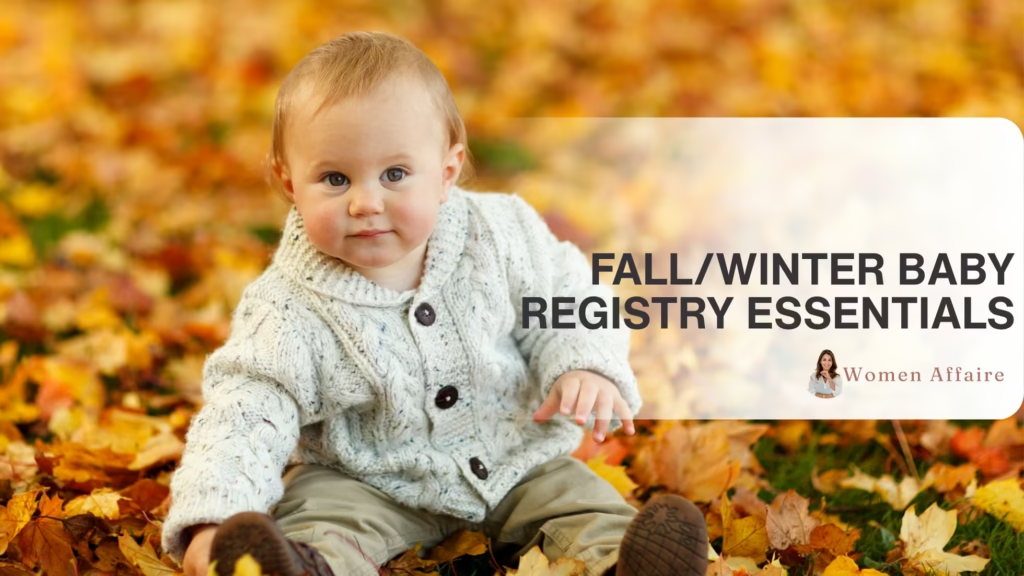
If you’re expecting a baby who’s due right around the colder months, your registry needs look a little different than someone having a summer baby. And honestly, a lot of registry checklists online just don’t account for this at all. They lump everyone together like weather doesn’t matter.
I had my daughter in late November, and let me tell you, walking out of the hospital into freezing air with a five day old baby made me realize real quick how unprepared my registry actually was. I had cute little onesies. I did not have a single thing warm enough for the actual weather outside.
So if your due date lands somewhere between late fall and early spring, let’s talk about what you actually need to register for. This isn’t about buying extra stuff for the sake of it. It’s about being ready for the specific challenges cold weather brings with a newborn.
Why Season Actually Changes Your Registry
Here’s the thing people don’t think about enough. A summer baby needs light layers and sun protection. A winter baby needs warmth, but not so much warmth that they overheat, which is honestly a bigger risk than most new parents realize.
Cold weather also means more time indoors, drier air, and different clothing logistics, especially around that car seat. So let’s go through the essentials category by category, keeping the season front and center.
A Car Seat Safe Winter Coat, or a Coat Alternative
This one surprised me the most when I first learned about it. Bulky winter coats and car seats do not mix safely. The extra fabric compresses in a crash, which means the harness isn’t actually snug against your baby’s body the way it needs to be.
Instead, register for a car seat cover that goes over the entire seat like a blanket, rather than a coat baby wears underneath the straps. Some brands make these specifically designed to be safe with car seats, and they make a huge difference for cold weather outings.
Swaddles in a Warmer Fabric
Lightweight muslin swaddles are wonderful, but in colder months, you’ll want some warmer options too. Look for swaddles made from fleece or a heavier cotton blend for your coldest days, while still keeping some lighter ones on hand for indoor use when your heating is on full blast.
Layering matters more than one single heavy item. A few swaddle weights on hand means you can adjust based on your actual indoor temperature, which changes more than you’d expect.
A Good Base Layer Wardrobe
Onesies alone won’t cut it for a fall or winter baby. Register for footed sleepers, since they keep those tiny feet covered without needing separate socks that always seem to fall off anyway.
Add a few long sleeve onesies too, ones that can be layered under sleepers or outfits on especially cold days. Layering gives you way more flexibility than buying single heavy items that might be too warm indoors.
A Humidifier
Cold weather often means dry indoor air, especially once the heat kicks on regularly. Dry air can be rough on a newborn’s sensitive skin and nasal passages. A cool mist humidifier for the nursery can help keep things comfortable and may even help if your baby catches a cold during those winter months.
Ask your pediatrician for their specific recommendation, since some prefer cool mist over warm mist for safety reasons with babies in the room.
Baby Mittens or Scratch Mitts With a Warmer Option
Regular scratch mitts help prevent newborns from scratching their own faces, but in colder months, consider adding a slightly warmer mitten option for actual outdoor use. Baby’s hands can get cold fast, and tiny fingers poking out of a swaddle or coat need protection too.
A Warm Hat, or a Few
Babies lose a lot of body heat through their heads, so a good hat matters more in cold weather than people realize. Register for a couple of different weights, a thin cotton one for indoor use and a warmer knit one for outdoor trips.
An Insulated Stroller Footmuff or Cover
If you plan on taking walks or errands with your stroller during colder months, a footmuff or weatherproof stroller cover makes a real difference. These items wrap around the stroller seat area, keeping baby cozy without needing bulky clothing that might restrict movement or safety in a car seat later.
A Baby Thermometer You Trust
This matters in any season, but especially in winter when colds and illnesses circulate more. Have a reliable thermometer on hand before baby arrives, and know how to use it correctly for a newborn. Ask your pediatrician which type they recommend, since not all thermometers give accurate readings for very young babies.
Room Temperature Monitor
Keeping baby’s room at a safe, comfortable temperature matters a lot, especially in winter when there’s a temptation to bundle baby up too much or crank the heat too high. A simple room thermometer, sometimes built right into baby monitors, helps you keep an eye on this without guessing.
Overheating is actually a bigger safety concern for babies than being slightly cool, so this tool helps you find that balance instead of assuming warmer is always better.
Warm but Breathable Sleep Sacks
Skip loose blankets in the crib altogether, no matter the season, since they’re a suffocation risk for young babies. Instead, register for a few sleep sacks in different weights appropriate for winter. These keep baby warm without any loose fabric in the crib.
Check the temperature guide most sleep sack brands include, since it helps you pick the right weight based on your actual home temperature rather than guessing.
A Personal Story About Learning This the Hard Way
I mentioned my daughter was born in late November. On our first pediatrician visit about a week later, I had bundled her up in about four layers plus a heavy blanket over her car seat, feeling proud of myself for being so prepared for the cold.
She was sweating. Actually sweating, in the waiting room, cheeks flushed pink. The nurse gently let me know that overheating is honestly more common than parents think in colder months, precisely because we tend to overcompensate. Lesson learned. Layers you can remove beat one giant warm bundle every time.
What About Sun and Vitamin D in Winter Months?
Even in colder months, you might want to ask your pediatrician about vitamin D drops, since babies get less natural sunlight exposure during winter, especially if you’re bundled up during any outdoor time. This isn’t exactly a registry item, but it’s worth adding to your list of things to discuss at your first pediatrician appointment.
Wrapping This Up
A fall or winter baby needs some specific gear that summer babies simply don’t require. Focus on layering options rather than single heavy items, prioritize car seat safety around winter coats, and don’t forget tools like a humidifier and reliable thermometer to help manage the season’s specific challenges.
The goal isn’t to buy every cold weather baby product you see advertised. It’s to think through your actual season, your actual climate, and prepare thoughtfully rather than just grabbing whatever looks cozy in a store display.
If you’ve had a baby during the colder months, what’s the one item that made the biggest difference for you? Or is there something you registered for that ended up completely unnecessary once winter actually arrived? I’d love to hear what worked and what didn’t.