
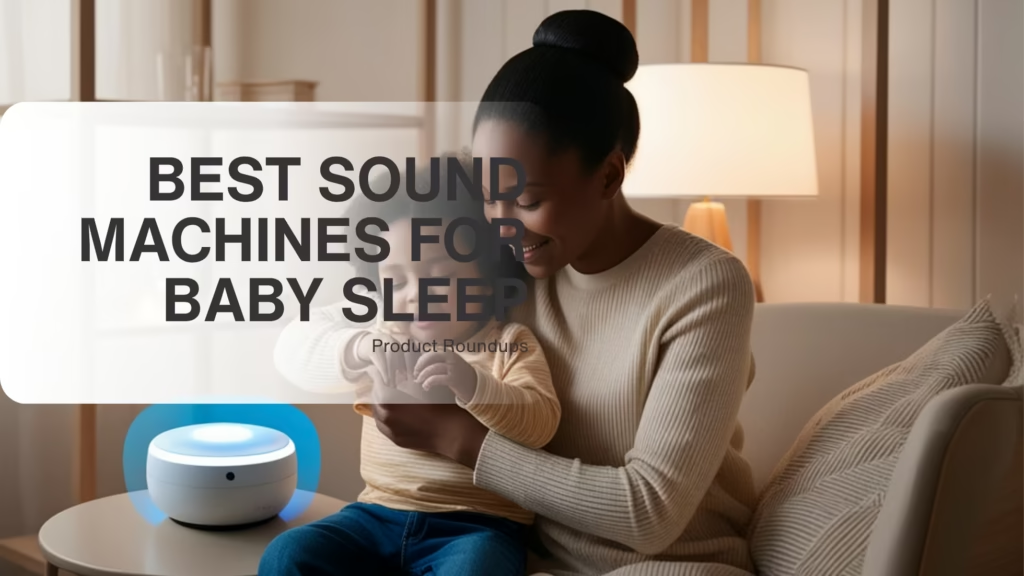
Sound machines have become a near-default addition to most nurseries, but the research behind how they work, along with genuine safety considerations around volume level and placement, matters more than most parents realize when a machine is marketed simply as a sleep aid. This guide covers how sound machines actually affect infant sleep, what pediatric audiology research says about safe volume levels, and how to choose a machine that fits your specific needs.
Why Sound Machines Work
Newborns spend nine months surrounded by constant background noise in the womb, including blood flow, digestion, and the muffled sounds of the outside world. A completely silent environment after birth is actually a significant change from what baby experienced previously, and consistent background noise can help ease that transition.
Sound machines also work by masking sudden, variable household noise, a door closing, a dog barking, an older sibling running through the hallway, that might otherwise startle a sleeping baby awake. A steady, unchanging sound is generally more effective for this purpose than variable sounds, since the brain habituates to consistent noise more easily than to sound that starts and stops unpredictably.
Types of Sound Machines
Basic White Noise Machines
These produce a single, unchanging static-like sound designed to mask ambient noise consistently. Simple models like the Marpac Dohm use a mechanical fan-based sound rather than a digital recording, which some parents and sleep consultants prefer since the sound has no looping point that could be perceptible to a sensitive sleeper.
Digital white noise machines produce a similar effect through recorded or generated sound rather than a mechanical fan, and tend to offer more volume and tone adjustment options, though cheaper digital models sometimes have an audible loop point where the sound resets, which can be more noticeable to light sleepers than a continuous mechanical sound.
Multi-Sound Machines
These offer a selection of sounds beyond basic white noise, ocean waves, rain, heartbeat sounds, and sometimes lullabies or nature sounds. The Hatch Rest and similar multi-function machines fall into this category, often combining sound options with a nightlight and sometimes a companion smartphone app for remote control.
More sound variety isn’t necessarily better for actual sleep support, since research on infant sleep generally favors consistent, unchanging noise over variable or melodic sound. Multi-sound machines can still be useful for personal preference or soothing during awake fussy periods, but a single steady white noise setting is often what gets used most consistently overnight.
Combination Sound and Light Machines
Many current sound machines integrate a nightlight, sometimes with adjustable color and brightness, alongside sound options. This combination appeals to parents wanting a single device to handle both needs rather than purchasing separate products, though it’s worth confirming that light brightness is adjustable to a genuinely dim setting appropriate for nighttime use, since some combination units default to a brighter light than ideal for sleep.
App-Connected Smart Sound Machines
Devices like the Hatch Rest connect to a smartphone app, allowing remote volume adjustment, sound selection, and sometimes scheduling features that automatically change sound or light settings at set times, such as a dimming light cue paired with a wake-up sound to help toddlers learn appropriate wake times as they get older.
The connectivity here adds convenience but also introduces the same general considerations that apply to any wifi-connected device, namely keeping firmware updated and using a secure, unique password rather than a default one.
Travel and Portable Sound Machines
Compact, battery-powered sound machines designed for portability suit travel, car rides, or use in multiple rooms without needing a dedicated device in each location. These typically offer fewer features than a full-size nursery machine but provide the core white noise function in a smaller, more mobile form factor.
Volume Safety: What the Research Actually Says
This is one of the more important and sometimes overlooked aspects of sound machine use. A widely cited 2014 study published in Pediatrics tested a sample of infant sound machines and found that several models, when played at maximum volume, exceeded sound levels considered safe for extended exposure, based on recommended limits for infant hearing established by organizations like the World Health Organization.
The general guideline that emerged from this and subsequent research is to keep sound machine volume at or below 50 decibels, measured from where baby’s head actually rests in the crib, not from right next to the machine itself. Many machines, when placed close to a crib and set to a mid or high volume, can exceed this threshold, so actual measurement matters more than trusting the volume dial’s low-to-high labeling.
Placing the machine as far from the crib as the room allows, generally at least seven feet if possible, while still providing effective sound coverage, helps keep the actual decibel level baby experiences within a safer range even if the machine’s own volume setting is on the higher end.
A simple decibel meter app on a smartphone can help verify actual sound level at crib height, which provides more useful information than assuming a machine is safe simply because it’s marketed for infant use.
Placement Considerations
Beyond volume, placement should account for cord safety, keeping any machine with a cord well away from the crib itself, following the same three-foot minimum distance guideline used for other nursery electronics like monitors. Battery-powered machines eliminate this specific concern but require regular battery checks to ensure consistent operation throughout the night.
Placing the machine on a stable, elevated surface rather than directly on the floor tends to project sound more evenly throughout the room rather than becoming muffled or directionally inconsistent.
Popular Sound Machine Options and How They Compare
Marpac Dohm Classic uses a mechanical fan mechanism to produce a natural, consistent white noise sound rather than a digital recording. Its simplicity, a single volume dial and tone adjustment ring, appeals to parents who prefer minimal features and a sound quality many describe as less artificial than digital alternatives.
Hatch Rest combines app-connected sound and light features, offering extensive customization including scheduled routines, multiple sound options, and remote control from a smartphone. This makes it a popular option for parents wanting an all-in-one device, though it comes at a higher price point than more basic machines.
Yogasleep Rohm offers a compact, battery-powered version of the Dohm’s fan-based sound mechanism, designed specifically for travel and portability while maintaining a similar sound quality to its larger counterpart.
LectroFan is a digital white noise machine well regarded for offering a wide range of fan and white noise variations without a perceptible looping point, addressing one of the more common complaints about lower quality digital sound machines.
Munchkin Nursery Projector and Sound Machine combines sound options with a projected nightlight image on the ceiling, appealing to parents who want a visual soothing element alongside audio, though this adds a feature that some sleep consultants suggest may be more stimulating than helpful for actual sleep onset, since a moving projected image introduces visual stimulation a plain, dim nightlight does not.
How Long to Run a Sound Machine
Some parents run a sound machine continuously through the entire night, while others use a machine with an auto-off timer, running it only for the initial period of falling asleep. Continuous use throughout the night tends to provide more consistent noise masking against household sounds that could otherwise cause waking, particularly relevant in homes with other children, pets, or street noise.
If choosing a machine with a timer function, confirm whether continuous all-night operation is also an option, since some baby-specific machines default to lower continuous volume options specifically designed for extended, all-night use versus louder settings intended for shorter soothing periods.
Common Mistakes to Avoid
Placing a sound machine directly inside or on the edge of the crib brings it far closer to baby’s ears than intended, significantly increasing actual decibel exposure regardless of the volume setting selected. Machines should sit on a separate piece of furniture, positioned several feet from the crib itself.
Assuming a higher volume setting is inherently more effective at masking noise, without considering hearing safety guidelines, can result in a chronic higher decibel exposure than recommended. Effective masking generally requires steady sound at a moderate volume, not maximum volume, so testing lower settings before assuming a louder setting is necessary often works just as well.
Choosing a machine primarily for its variety of melodic or nature sounds rather than steady white noise can be less effective for actual sleep support, since the research favoring sound machines for infant sleep specifically points to consistent, unchanging noise rather than variable musical sound.
Final Considerations
There isn’t a single sound machine that works best universally, since room size, existing household noise level, and personal preference for mechanical versus digital sound all factor into what will work well in your specific space. A simple, single-purpose white noise machine like the Marpac Dohm suits parents who want a straightforward, research-backed option without added features, while an app-connected multi-function device like the Hatch Rest suits parents wanting more control and customization built into one product.
Regardless of which machine you choose, prioritizing safe volume levels, measured at crib height rather than assumed from the dial setting, and appropriate placement distance from the crib will matter more for genuine safety than any specific sound option or additional feature. A sound machine can meaningfully support better infant sleep when used thoughtfully, but treating volume safety as a genuine consideration, not an afterthought, protects a part of baby’s development, hearing health, that’s easy to overlook amid the broader goal of simply getting everyone more sleep.